IPv6 – Internet Protocol version 6
The Internet is growing … and AT&T is ready.
IPv6 is making room
Everything that connects to the Internet has to have its own unique Internet Protocol (IP) address. Think of an IP address as a phone number that websites and devices use to communicate with each other. But as more and more people use smart devices, and the Internet of Things picks up speed, we’re running out of IPv4 addresses.
That’s where IPv6 came in. It created almost limitless addresses. The transition to IPv6 started years ago. But no worries. You probably won’t have to do anything. We’ve got you covered.
IPv6 basics
Bigger Internet. More addresses.
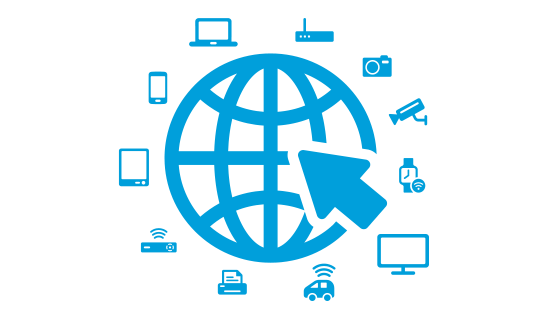
The Internet isn’t just for computers and websites anymore. Now everything from cars to cameras to home thermostats are online. And they all have to have their own IP addresses.
IPv4 doesn’t have enough addresses to go around. But IPv6 sure does. It has about 340 undecillion IP addresses. That’s more than all the grains of sand on all the beaches on Earth!
AT&T is ready
In the past, all IP addresses were IPv4 addresses. But, in the future most new devices and websites will use IPv6. That’s why we started changing our products, services, and network infrastructure years ago.
We’re ready, and we want you to be, too.
Compare IPv4 and IPv6
What’s the difference between IPv4 and IPv6?
With 32 bits, IPv4 addresses have 4 numbers separated by periods:
144.160.155.43
By using 128 bits, IPv6 can include numbers, letters, and longer addresses.
2001:1890:1c00:3113::f:3005
With so many possible combinations, IPv6 can accommodate virtually unlimited devices and websites.
Are we leaving IPv4 content behind?
No. The move to IPv6 won’t affect how you access IPv4 content. Websites will look the same, and AT&T will still support your IPv4 devices and networks. But with IPv6, you can connect with more content, more devices, and more people than ever.

IPv6 and you
Residential and small business customers:
You probably won’t have to do anything. New and replacement modems, routers, applications, and operating systems should all be ready for IPv6.
Enterprise networks and applications:
Our network supports IPv6 today, and AT&T Business offers enterprise services for your IPv6 needs.
