
Technology
How to hit your New Year fitness resolution goals
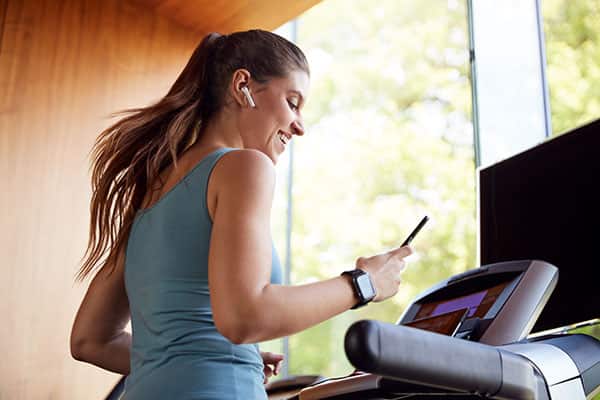
Each January, gyms fill up with goal-setters. By February, motivation often fades—and so does the New Year fitness resolution. The trick to sticking to your fitness resolution is realizing there’s no trick. Instead, reaching your New Year’s goal is about making subtle, long-lasting changes. To succeed, try to:
- Recognize the real-world benefits of your fitness goals
- Start with small, practical actions
- Make it fun
- Build a support system
- Track your progress
Making these changes feel more achievable when you have a plan. That might mean hiring a trainer or joining a group to help keep you motivated and accountable. First, connect with the “why” behind your fitness goal.
Anchor your fitness goal to a lifestyle benefit
Many people may miss their fitness goals for several reasons. One of the most common is that they make vague goals that are easy to dismiss. For example, many people say they want to work out to “lose weight” or “get fit.” Another reason is setting unrealistic goals for what your body can do right now.
The more specific your goal, the more measurable it is. Break your goal into “micro-goals” to better track your achievements. Then, weave them into the big picture of how you want to change your lifestyle.
What’s your actual motivation? Better goals related to the benefits of exercise include:
- Having more energy
- Sleeping better
- Managing stress
For each lifestyle benefit, use a journal to log how you feel on your start date. From there, chronicle your progress regularly. You might note: “I normally sleep six hours, but last night I slept six and a half. Progress!”
Give yourself a bit of grace. Some days your progress will be flat—or even roll backwards—as your body adjusts. Just keep moving ahead.
When you tie your New Year’s fitness goals to feelings and function—rather than just numbers—you’ll be more motivated to hit them. The results are also more meaningful.
Keep yourself motivated by displaying your health and fitness goals—on the fridge, your smartphone’s lock screen, or your smartwatch—so your resolution remains front and center.
A tangible lifestyle goal can help you get started on your resolutions—and starting small is best.
Which is best for you: Home workouts or the gym
As you begin your fitness journey, where you work out matters. You may prefer the privacy of working out at home at your own pace. Or you may enjoy working out in a gym for a more social experience. There are benefits to both.
If working out at home is a better fit:
- Stream workout videos. Find workouts you like and keep the gear you need handy.
- Run a speed test on your home internet to avoid buffering during your workout.
If you prefer to work out at the gym:
- Choose one that suits your needs.
- If traffic stops your motivation, use your maps apps to avoid peak traffic.
Ultimately, choose the setting that best fits your lifestyle. Either location can help you reach your fitness goals as long as you start realistically and remain consistent.
Start small, stay steady
Starting a fitness plan can be challenging, so begin with small, attainable micro-goals. Many quit early because they set the bar too high. One missed day, and they may give up entirely.
Take a grounded, realistic approach to your fitness resolution. If you haven’t worked out in a while—or ever—spend some time learning what’s best for you in exercise and nutrition. Log your activities to build on what works and skip what doesn’t.
- Start with 10–15 minutes of daily activity, or choose a target number of workout days—say, 12 per month.
- As you begin exercising regularly, gradually increase the length and intensity of your workouts. Use a timer app to track time.
If you struggle with motivation and sticking to a fitness routine:
- Set alerts on your mobile device to remind you to work out.
- Use your smartwatch or health-tracking wearable to set a daily step goal.
- Reward yourself in ways that won’t disrupt your progress.
You can also try “habit stacking.” For example, take a walk after your morning coffee or do 10 push-ups after brushing your teeth. Before long, your brain will associate one activity with the other, and exercising will feel automatic.
It helps when you’re actually excited to work out—so choose activities you’ll enjoy.
Find your fun factor
For many of us, exercising just for the sake of it is a struggle. Luckily, you have many ways to work up a sweat.
Fun, alternative workout options include:
- Dancing
- Hiking
- Indoor rock climbing
- Swimming
- Group classes
- Online programs and apps
Test a few activities until you find the right one. It’s rare to be good at something on the first try, so give a new activity a few weeks before moving on.
Consistency comes from enjoyment, not guilt. If you’re having fun, you’ll probably stick with it. Having a personal cheerleading squad also helps.
Build a support system
Exercising with like-minded people is fun, and a supportive group keeps you accountable. Find a workout buddy, club, or trainer to help you reach your New Year’s goal. Join online communities to share progress and compare experiences. Use social fitness apps with a connected smartwatch or fitness tracker to share small victories.
If you’re already tracking steps, monitor other health metrics, too.
[Read: Tech to help you keep your New Year’s resolutions]
Track the right data & build your tech toolkit for fitness success
It’s tempting to obsess over pounds and inches, but fitness rarely shows immediate outward effects. Most early improvements are invisible. As you kick off your fitness journey, focus on stats like:
- Sleep
- Energy levels
- Mood
- Endurance
If tracking your mood or stamina feels tricky, don’t stress—there’s fitness tech for that. Built-in smartphone apps can help monitor mood, steps, and other metrics. Some smartwatches offer heart rate monitoring and blood pressure sensors.
With the right tech on your side, tracking your progress gets easier. Every part of reaching your New Year’s fitness resolution—from setting meaningful goals and starting small to staying accountable—gets more manageable. If you’re helping a loved one stick with their fitness journey in the New Year, these gadgets also make the perfect fitness tech gifts.
One small action now can lead to incredible results down the road. Take the first step today toward keeping your New Year’s resolutions and achieving your fitness goals.
Unlock possibilities
Related articles
Understanding network latency and how to improve it
by Jobi George | Mar 20, 2026
Learn what network latency is, what causes it, and practical steps to reduce lag for gaming, video calls, and other real-time online activities.
Internet vs. Wi-Fi: Are they different?
by Jobi George | Mar 17, 2026
Learn the difference between internet and Wi-Fi, how they work together, and why understanding both helps you get the most from your home network.
Is 500 Mbps fast?
by Jobi George | Mar 13, 2026
Learn what 500 Mbps internet speed means for streaming, gaming, video calls, and multi-device households to determine if it meets your connectivity needs.
Want to stay in the loop?
Get the latest deals, product news, and more from AT&T.