
Lifestyle
How can you protect data on a mobile device?
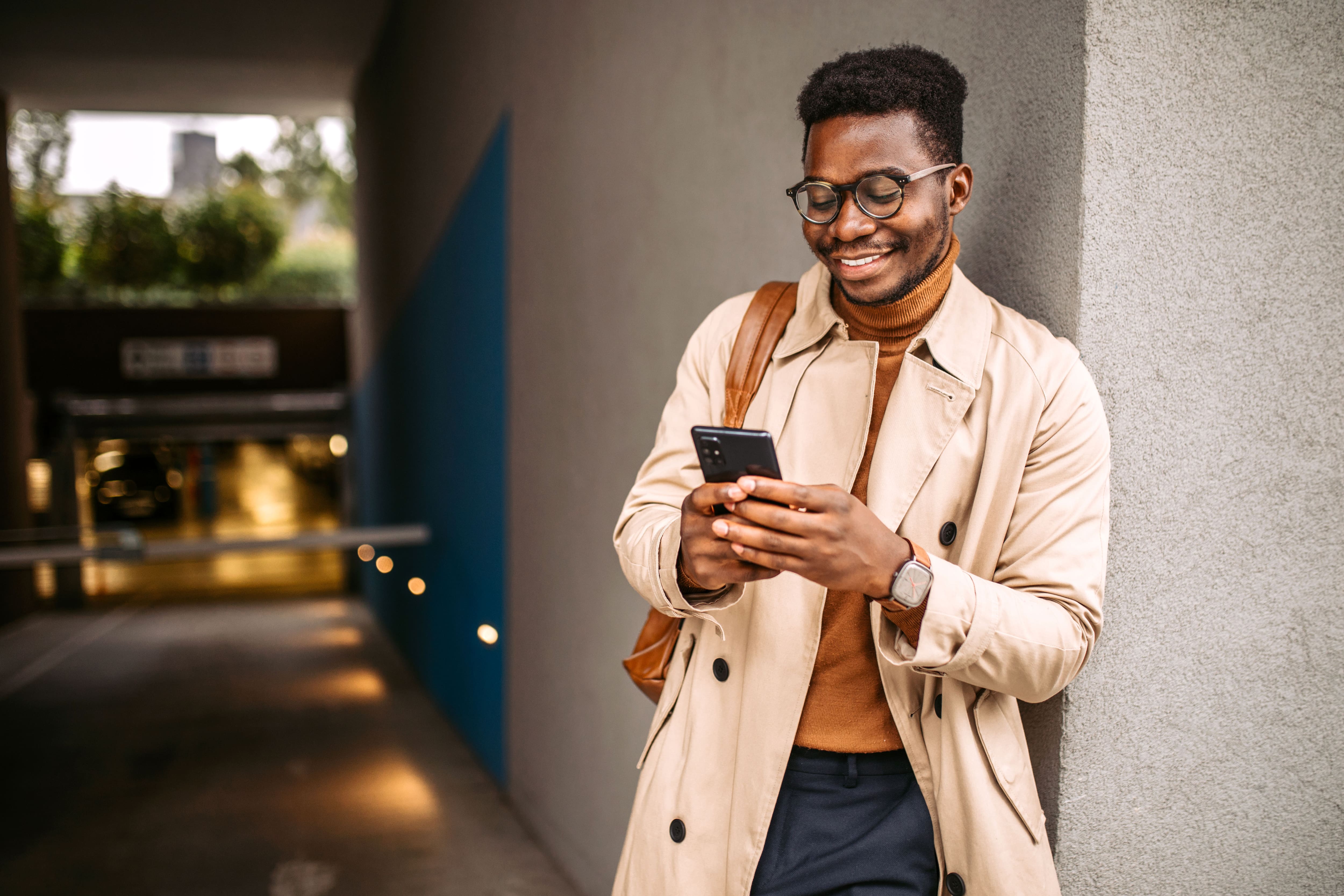
With everything you can do on your smartphone—manage your finances, schedule appointments, and share files—think about all the sensitive data it holds. So, how can you protect data on a mobile device?
If your phone falls into the wrong hands, you could face:
- Being locked out of your accounts
- Having your identity stolen
- Your sensitive information being used against you
Safeguard your sensitive data from getting into the wrong hands by creating strong passwords, using biometrics, installing a trusted security app, and more. These simple steps don’t take much time—and can save you time, money, and hassle.
Importance of data protection on mobile devices
Our phones have become our 24/7 companions, which means you likely have your whole life stored on your device. Your phone holds sensitive information like:
- Messages to friends and family
- Emails and professional communications
- Financial documents
- Photos and videos
You’ll want to keep it all protected because if your information gets exposed, a bad actor could:
- Open credit cards, bank accounts, or home and auto loans in your name
- Steal your social media, email, and other accounts
- Impersonate you online
- Use private information against you
While phone manufacturers constantly create new safeguards to make their devices more secure, hackers are getting better at bypassing them. To keep your data protected, it helps to be proactive.
Set strong passwords and enable biometric authentication
Start by using unique, strong passwords for your accounts and your phone’s lock screen. Be sure not to use easy-to-guess passwords like 1234 or 1111 that make it easier for someone to get into your phone.
Choose a long password that’s at least 12+ characters. Also, use a combination of letters, numbers, and special characters to enhance your overall security.
Consider passphrases, words or phrases that are difficult to guess. They tend to be more secure than passwords since they’re typically longer and more complex.
Even with the strongest password or passphrase, don’t reuse them for multiple accounts. This can leave you vulnerable during data breaches. If a cybercriminal gets access to one account, they can use the same password for your other accounts.
On top of passwords, lock your phone and apps with biometrics like facial recognition and fingerprint scans. These add an extra layer of security to your phone.
Facial recognition
Instead of typing a password or PIN, use facial recognition to unlock your device, handle payments, or open certain apps. Since your face is so unique, it’s harder for a scammer to copy and use to access your device and data.
Fingerprint scans
Fingerprints are unique to you and are usually difficult to mimic. For extra protection, pair biometrics with a strong passcode.
Biometrics are among the most effective mobile device security features currently available. They’re also convenient and can be used with other authentication measures to better protect your data.
Use multi-factor authentication (MFA) wherever possible
Multi-factor authentication (MFA) uses two or more verification steps to protect your accounts. This can include a combination of several security features, like:
- Passwords
- Prompts on verified devices
- One-Time Passwords (OTPs) sent via text to your registered number
- Facial recognition
- Fingerprint scans
- Security questions
- PINs
MFA helps because a password alone isn’t enough—a stranger would also need access to your device or a second verification step. MFA is an essential privacy measure for sensitive apps and anywhere you keep personal data, such as cloud storage services.
Even with MFA, consider other ways to keep your phone locked and private from others.
Enable your device’s auto-lock and screen privacy settings
When you’re out in public, it’s easy to set your phone down and forget about it for a while. If it’s unlocked, you’ve given strangers free access to your device and its information.
Set a short screen timeout that locks your phone when you’re not using it. Once your phone is locked, someone will need your password, face, fingerprint, or some other security measure to breach your device.
Shoulder surfing—when someone secretly looks at your screen to obtain passwords or other information—can also be a major concern in public spaces. Use a privacy screen protector to shield your data by obscuring your screen when viewed at an angle.
In some cases, others are helping to secure your device without you having to do anything at all.
Keep your operating system and apps up to date
Developers are constantly searching for security loopholes in their code and patching them via updates. That makes the latest versions of operating systems (OSs) and apps safer than ever. These updates address issues like bugs, weak spots in older software, and add more advanced security features.
To enable automatic updates, look for the Software Updates or App Updates in Settings and toggle them on. When it’s time for an update, your phone will automatically take care of it.
For extra security, you can turn to trusted security apps to keep your phone as safe as possible.
Use a trusted mobile security app
The right mobile security app can protect your phone from an array of online and offline threats. Choose an app with key features like:
- Malware scanning to search for and eliminate unauthorized software on your device
- Theft protection to lock or return your phone if it’s stolen
- Tracking services to find your device if it’s taken or lost
- Phishing and scam security measures to protect you against bad actors
Pick a trusted mobile security app with a solid track record. Avoid apps that overpromise and offer little protection. And those threats are lurking everywhere, whether you’re at home or out and about.
Protect your data on public Wi-Fi
When you’re away from your home network, you still need to be able to access the internet. Public Wi-Fi is convenient, but it can pose serious cell phone security risks. Other individuals may be able to see your activity on public networks and capture information you view, send, or log into. Hackers can also set up fake “free Wi-Fi” networks.
Vulnerable public Wi-Fi examples
Vulnerable public networks exist anywhere there’s Wi-Fi and crowds, such as airports, restaurants, hotels, and other crowded places.
Be wary of networks in these places and, if they seem suspicious, use your mobile data instead of risking your personal information. Follow key internet security tips, like using a Virtual Private Network (VPN) to help encrypt your traffic on that network.
Because a VPN encrypts your connection, your data is less accessible and more secure.
Protect your personal hotspot with a strong password and VPN
Even if you use a mobile hotspot, hackers may be able to see your internet activity if they gain access to it. Set a lengthy, strong password to prevent unauthorized users from connecting, or use a passphrase. Change it regularly. Also, consider using a VPN when using your hotspot in public for extra protection.
Another way to protect your data is to use encryption tools to ensure it doesn’t get into the wrong hands.
Encrypt your device and stored data
Encryption helps keep your device and its contents safe by converting data (like emails and text messages) into unreadable code. A key is needed to convert the code back into readable data.
Most newer phones come with built-in encryption capabilities. They scramble your data to ensure that only the person with the correct password, passphrase, or biometric information can unlock and unscramble the data. Set a screen lock to make encryption more effective at protecting your data.
Even with the best practices, you still need to regularly back up your data to keep your information protected.
Back up data regularly and securely
Using cloud storage lets you save what’s important to you on a remote server instead of locally on your phone. If your phone is ever lost, stolen, damaged, or compromised, you can still access your memories and pertinent information.
Turn on automatic backups for your photos, videos, documents, and other files to protect your data. If you lose your phone, access your saved files by logging into your cloud account on another device.
And if you can’t recover your phone, there are other important steps to take.
Set up remote lock and wipe features
If your phone is stolen but has a lock screen passcode, the thief may try to guess a way in. To stop them, follow this lost phone checklist to:
- Temporarily lock login attempts after multiple wrong passwords
- Increase the lockout time with continued failed attempts
- Erase data after too many tries (if your device supports it)
Turn these features on in your phone’s security settings to protect your data in case you can’t recover your device.
Keep in mind that protecting your data and phone is an ongoing process that you must constantly keep an eye on.
Final tips for ongoing mobile security
So, how can you protect data on a mobile device? Use strong passwords, keep your software updated, turn on encryption, and remain vigilant on public Wi-Fi networks. The right device also helps.
Check out our best phone deals online or at your local store to find the right device with strong built-in security to help protect your personal data.
And don’t forget to protect your device with the AT&T ActiveArmor® app. With some unlimited plans, it’s free, and with others, it’s a small monthly charge.
Your phone is loaded with sensitive personal data, but with us by your side, you can rest easy knowing it’s better protected from hackers and scammers.
This article was updated by Zoya Cochran on April 7, 2026, to reflect trademark changes.
The new AT&T app
Related articles

by Ophylia Ibekwe | Jul 8, 2026
Parents often wonder when a child should get a phone. Here’s how to gauge readiness, compare options, and choose a device that supports safe communication.

by Jobi George | Mar 2, 2026
Learn how to keep children safe online with practical tips on parental controls, privacy settings, and healthy digital habits for families.

by Jobi George | Feb 26, 2026
Learn practical tips for maintaining internet access during a power outage, including mobile hotspots, battery backups, and cellular data options.
Want to stay in the loop?
Get the latest deals, product news, and more from AT&T.